This is the whole thing: the country I grew up in, the war that ended the plan, the two businesses I failed at, the team I finally got right, and what I build now. The professional half and the personal half, because I have never really been able to separate them.
01
Tripoli, Libya · The first eighteen years
Growing up in Tripoli
I was never meant to be a software developer
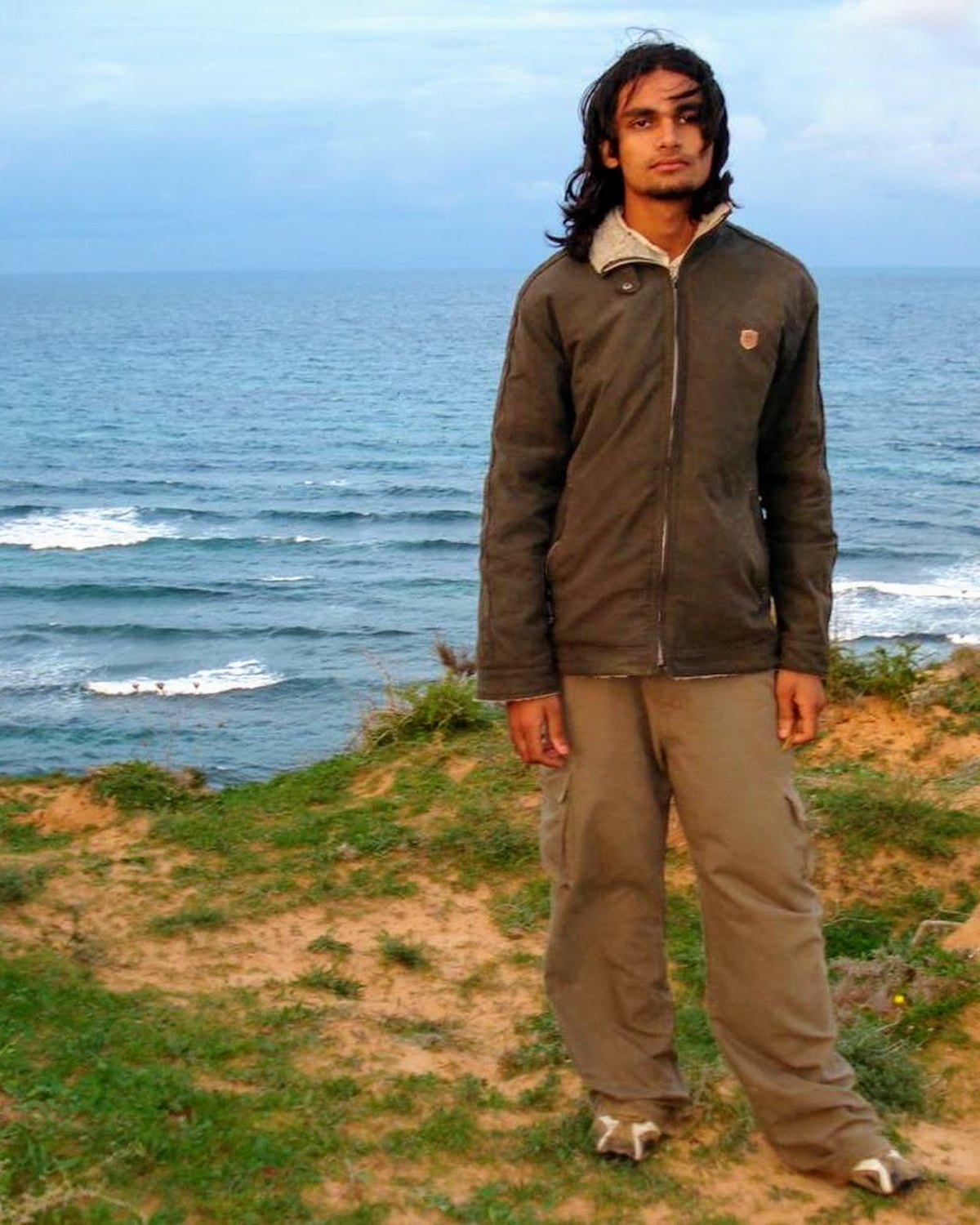
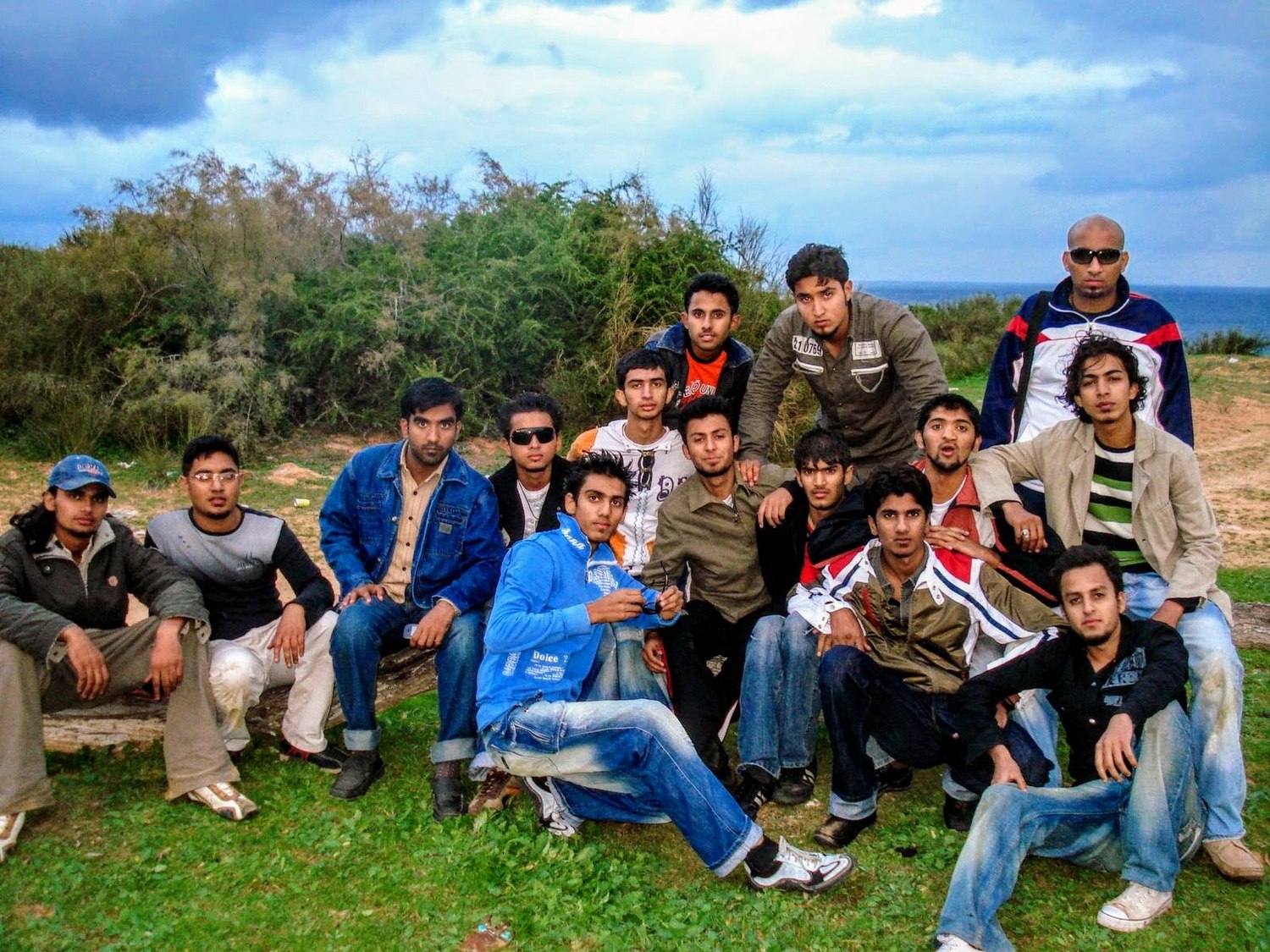
The coastTripoli, before the warThe friends
I was born in Libya and I lived there for eighteen years. It was a country with no taxes and a lot of money, and I grew up around all of it.
We had seen cars. We had seen money. We had seen comfort. When you grow up like that you assume the ground under you is permanent, because it always has been.
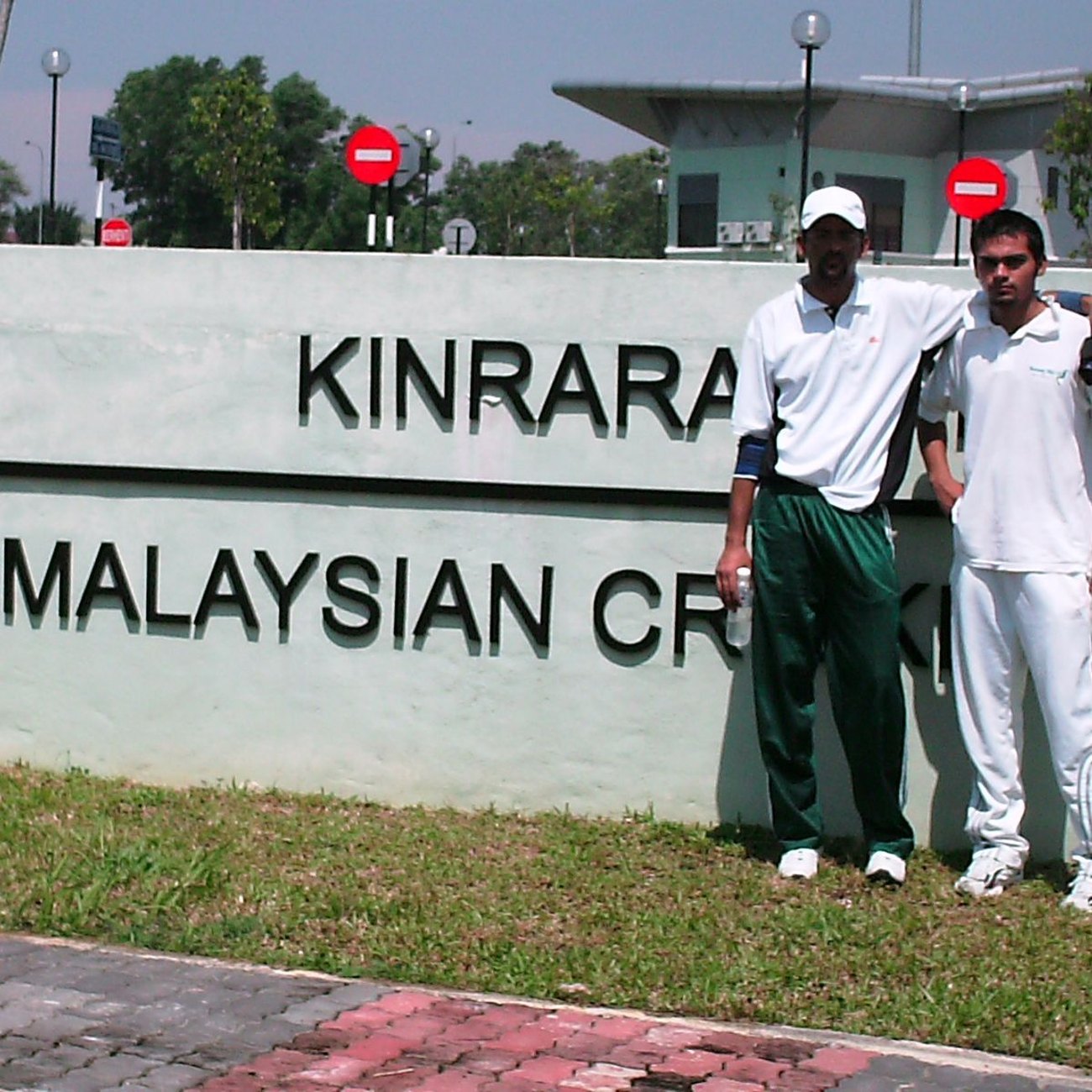
I did my FSc at the Pakistani community school in Tripoli. If you had asked me then what I wanted to be, software would not have made the list. I wanted to make music. If not music, then cricket. That was the whole plan.
Then the war came, and the plan stopped being mine.
I wanted to be a musician. Or a cricketer. Software was not on the list.
02
Malaysia · University years
Moving to Malaysia to study
We studied AI and asked who would ever use it
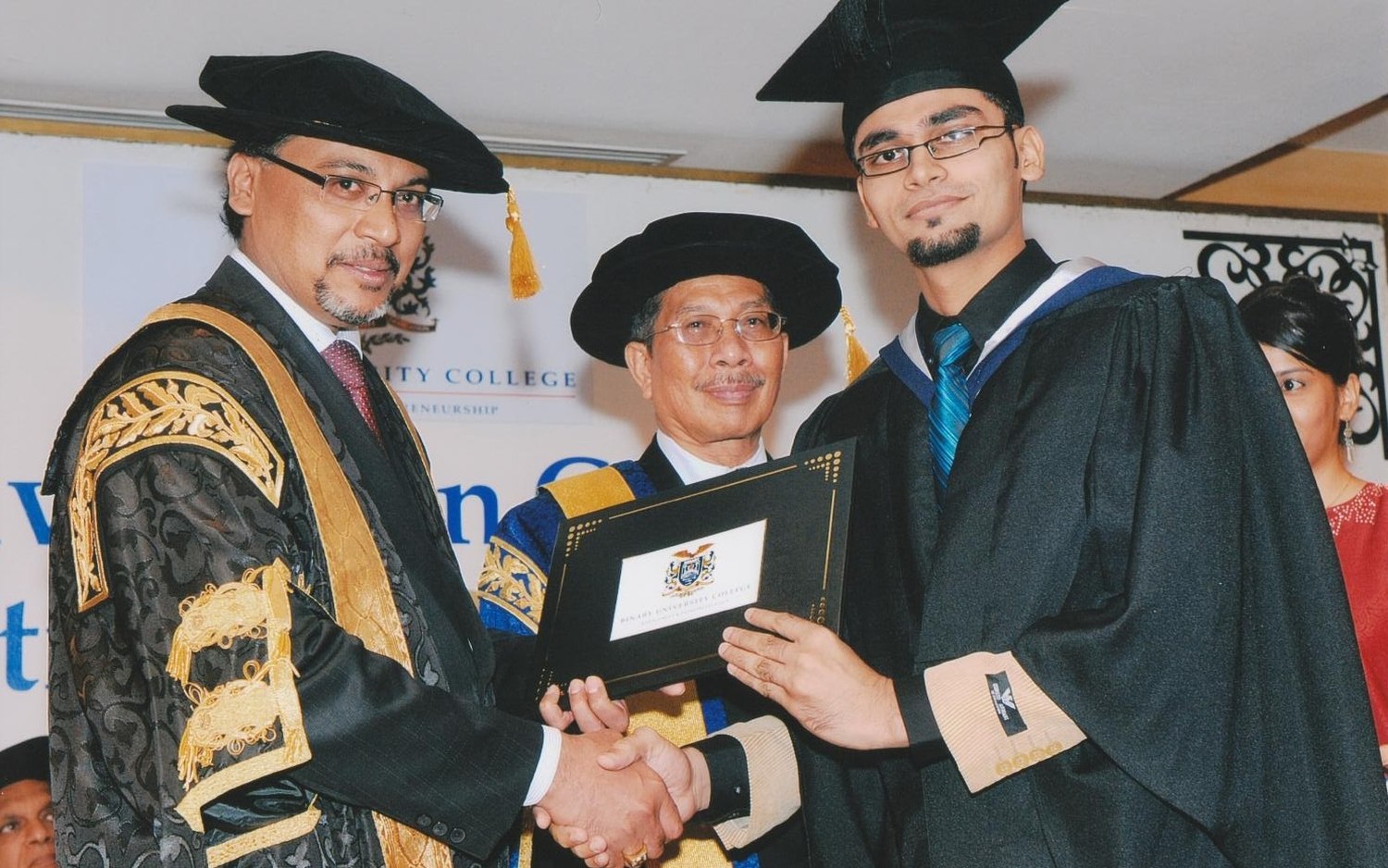
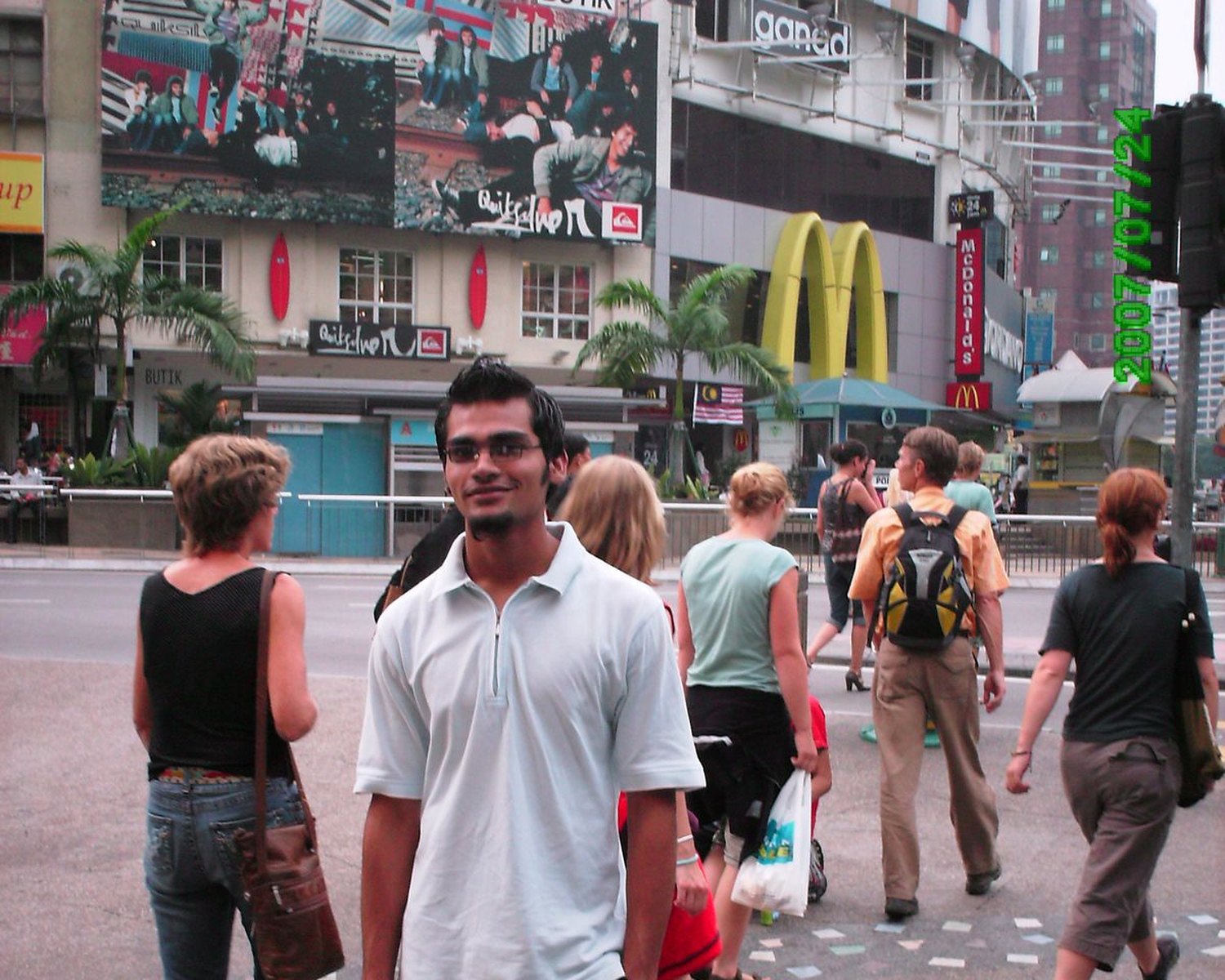
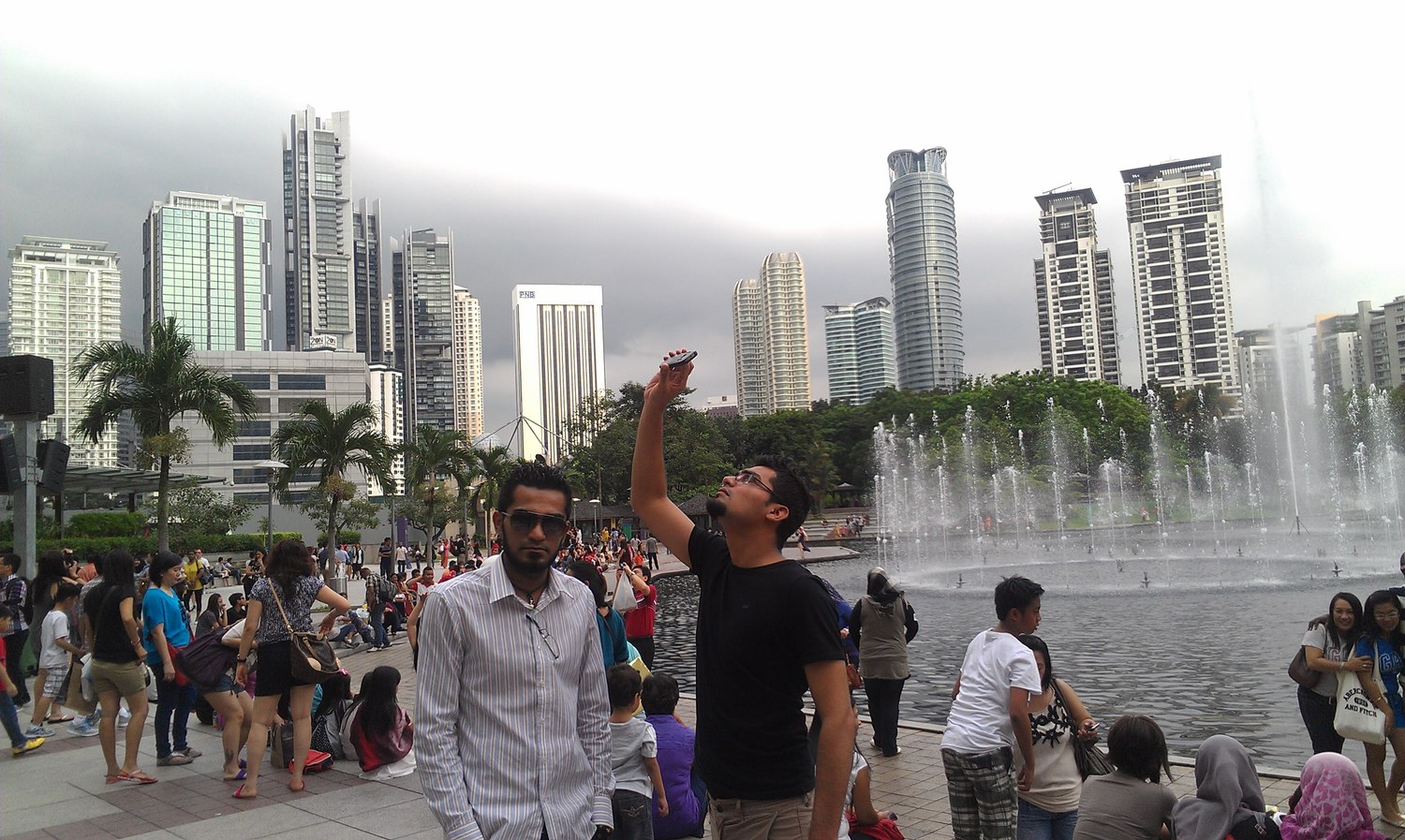
GraduationThe cityThe skyline, the years that rebuilt the plan
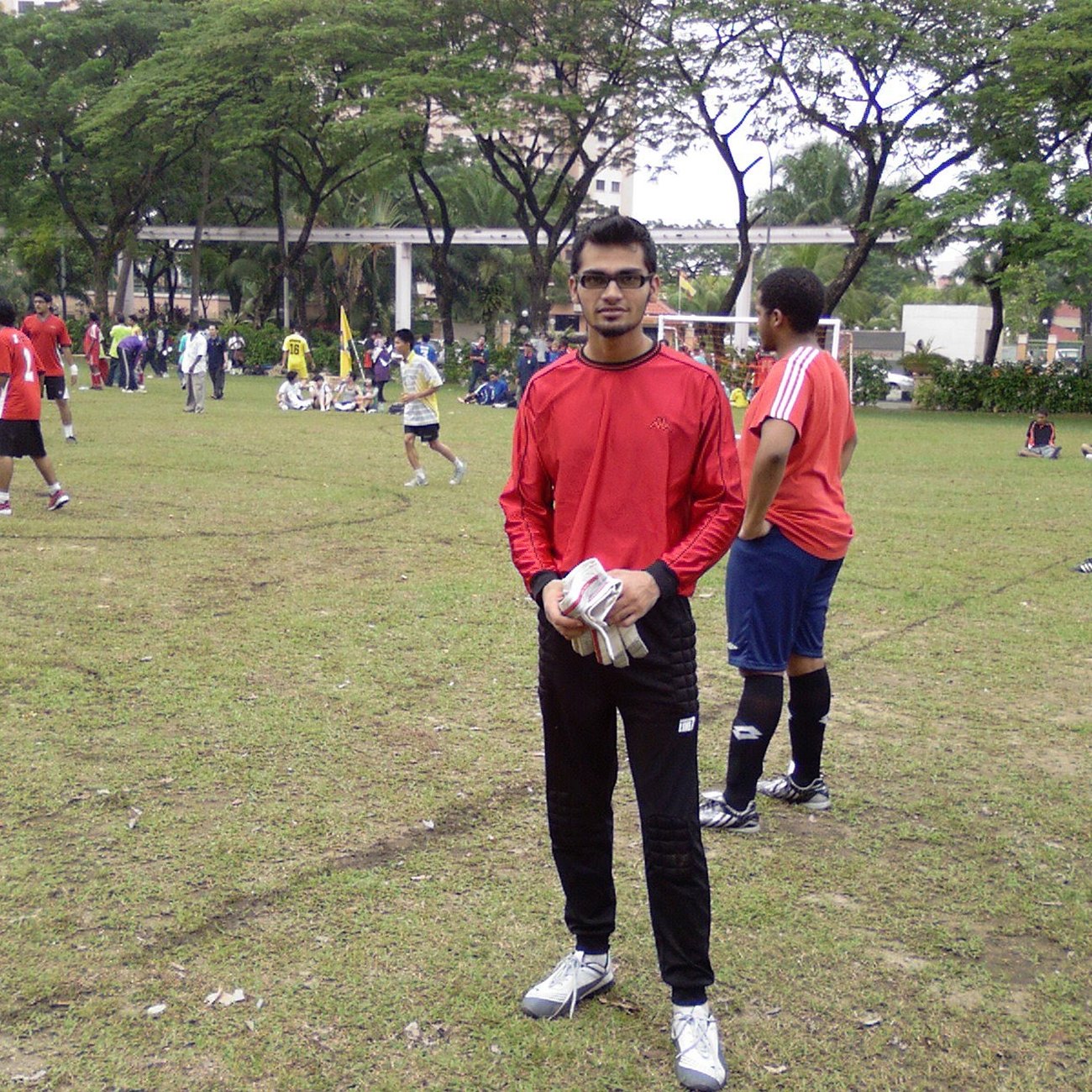
Seven of us left for Malaysia to study. The plan was simple: get the degree, go home to Libya, build our careers there.
Going from North Africa to Malaysia was its own education. A more advanced country, a different pace, a different idea of what was possible. I did my bachelor's in computer science and loved it more than I expected to.
Here is the part I still laugh about. We studied AI in 2009, 2010, 2011, 2012, and we genuinely sat there asking each other why anybody would ever use this. Fourteen years later it is the thing I build with every day.
I started a master's and lasted one semester. Not because it was hard, but because of something I noticed in that classroom. It was almost entirely South Asians. The Europeans and the Middle Easterners had finished their bachelor's and gone into the market to get two, three, five years of real experience and figure out who they actually were first. We were just studying because studying was the next box. Nobody had a vision, we had a queue.
So I left, and I took an internship instead. That one year turned out to be the only job I would ever hold in the traditional sense.
We were not studying with a vision. We were standing in a queue.
03
Everything at once · The year the plan died
The war takes the plan
We finished our degrees and found out we had nowhere to go
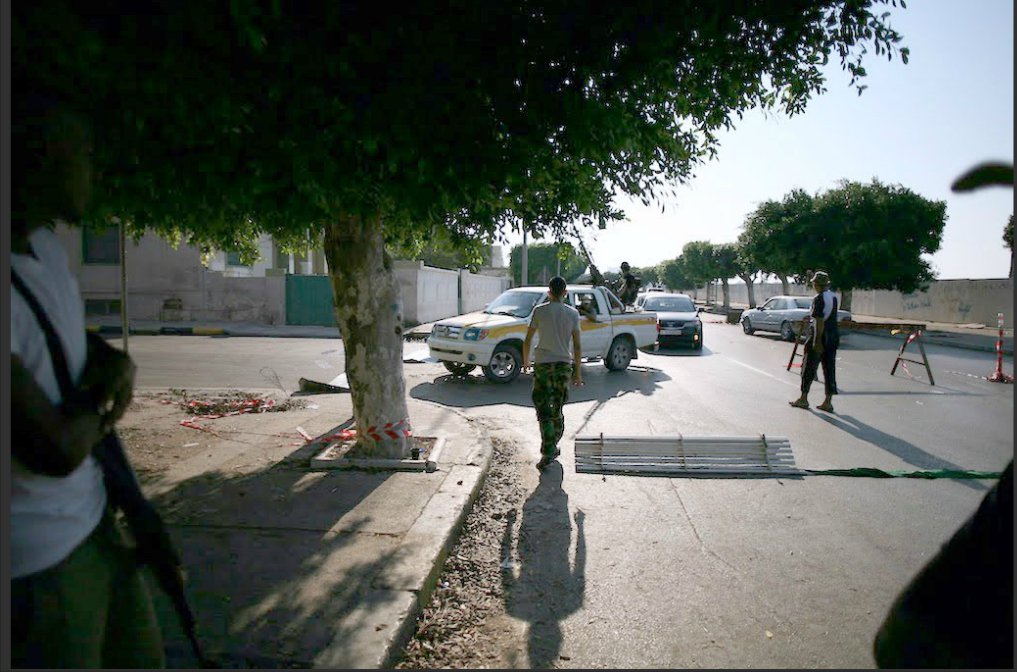
What was left, Bab al-AziziaA checkpoint in the city
Our degrees finished and the news came through: there was a war in Libya. Going home was off the table. All seven of us, one plan, gone in a sentence.
We came from well off families. We had never had to think about survival, because survival had never been the question. And then, all at once, it was the only question.
We were young. We put on the survival cap early, and it was not just about taking care of ourselves. Suddenly we were taking care of our families, and then our entire clan. We thought we were going to make money and enjoy our lives. Instead we went straight into working harder than any of us had planned to.
I do not romanticise it, but I will not pretend it did not shape me either. That period turned my friends and me into genuinely resilient people. We do not work by the clock. We work all day, because we know exactly how it feels to have everything, lose it, and have to earn it back from zero.
Every time somebody tells me a deadline is impossible, this is the part of my life I am measuring it against.
We know how it feels to have everything, lose everything, and then make it back.
04
Malaysia, then everywhere · The freelance years
Going out on my own
Top rated on Upwork, then banned for hiring my own brother
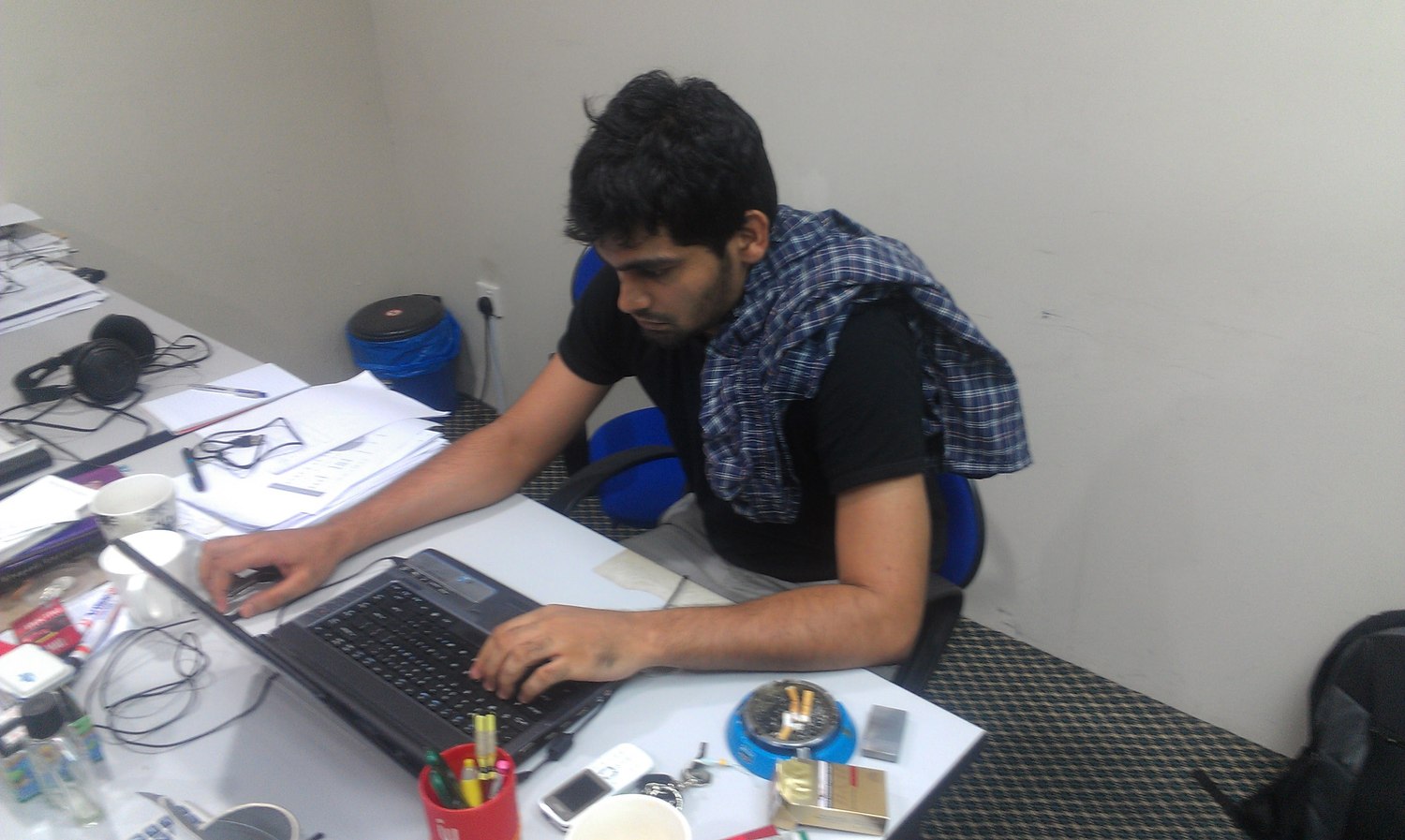
Hand-coded everything, and glad of it nowThe teamThe grindThe whiteboard
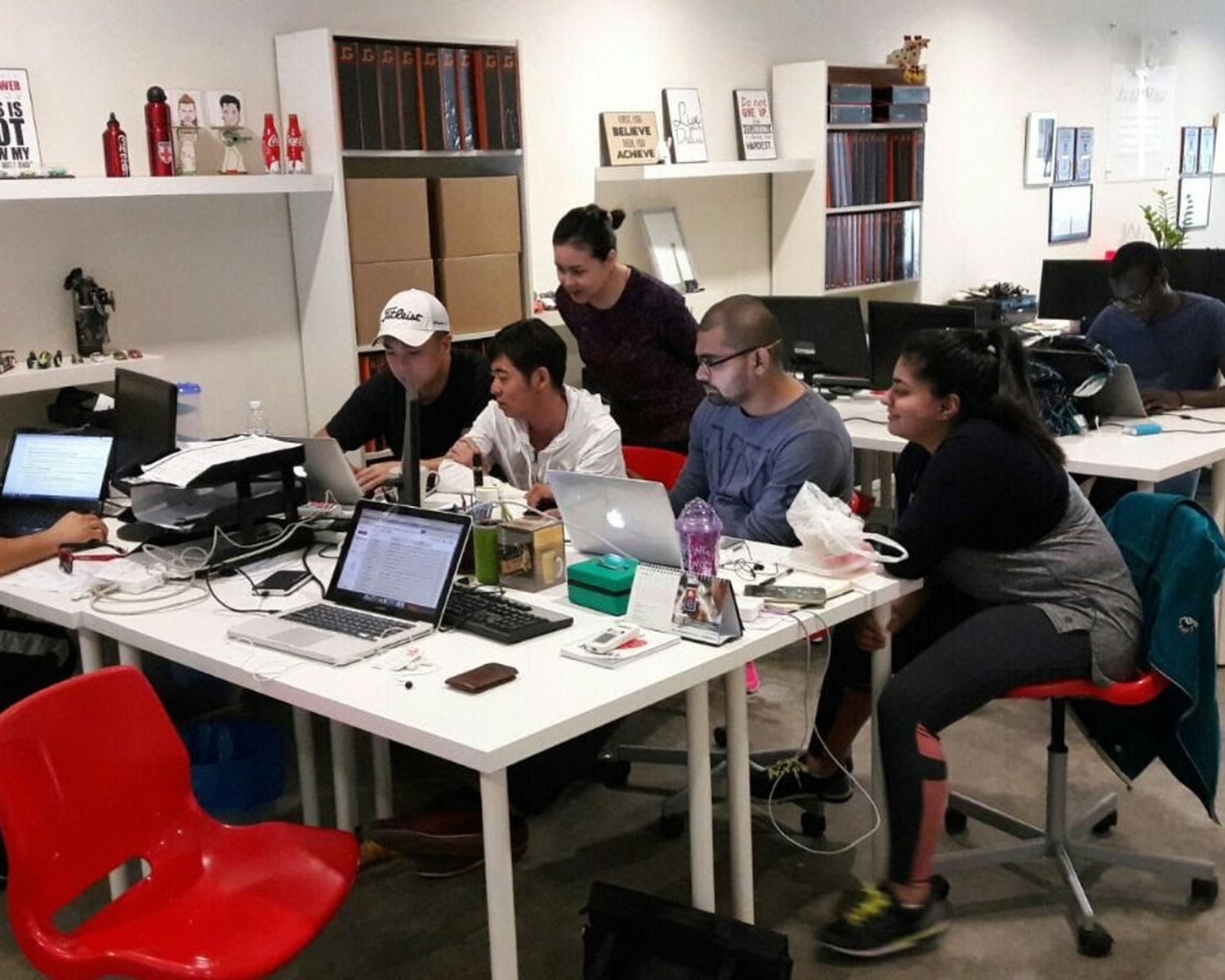
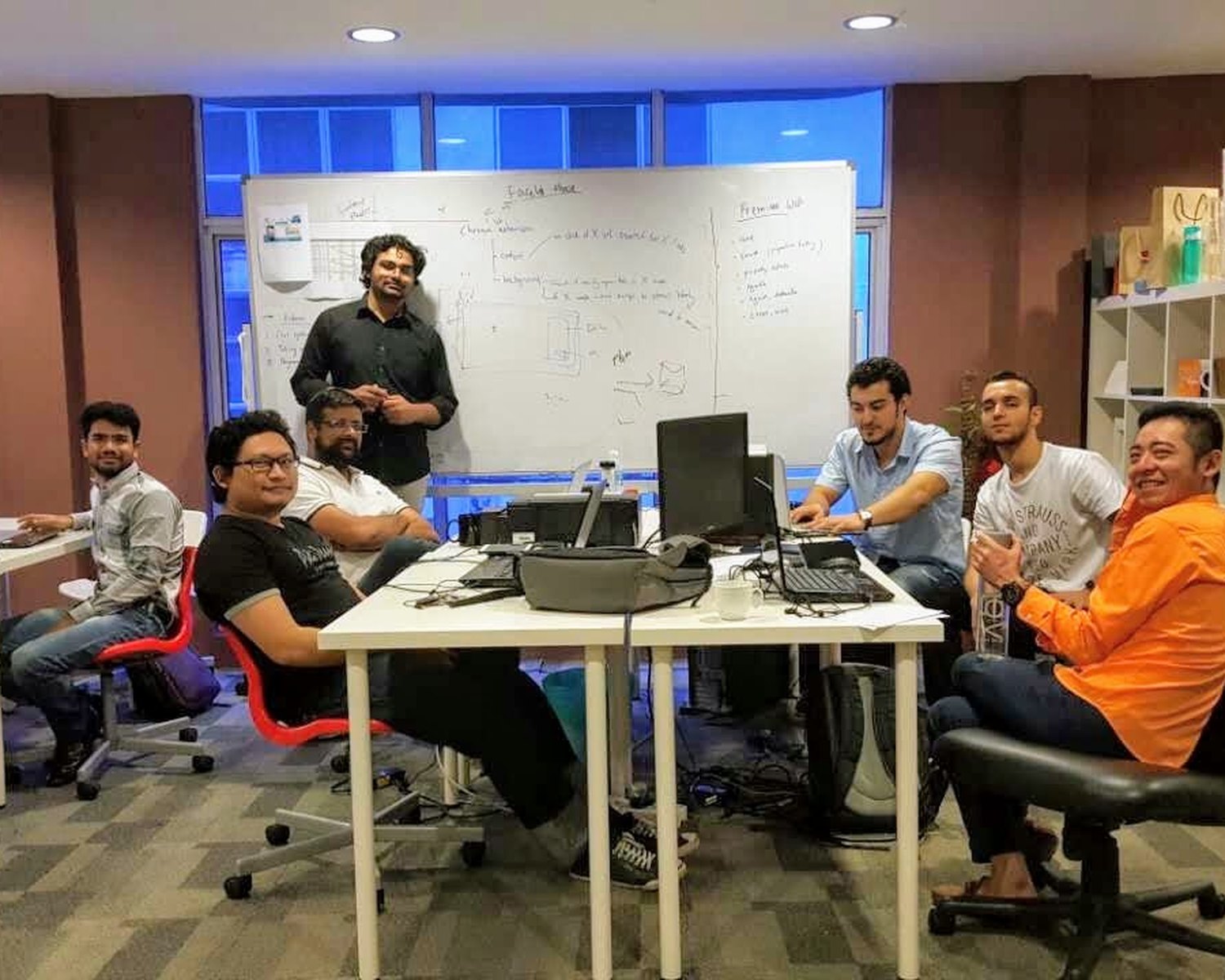
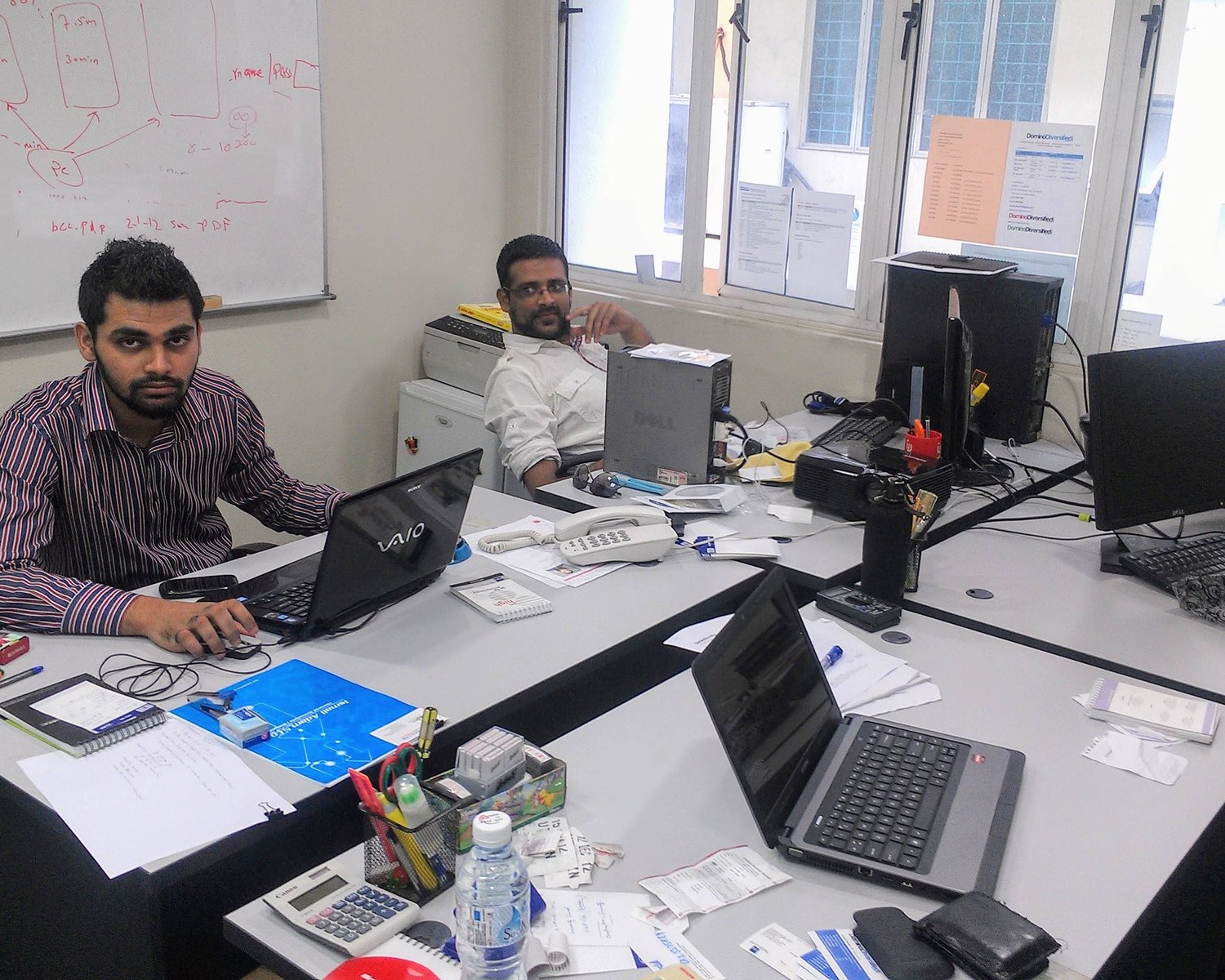
After the internship I started taking freelance projects for a Malaysian research centre. Then I joined forces with friends and we went all in on freelancing.
This was the old-school era. Coding HTML line by line, no frameworks doing the thinking for you, every layout fought for by hand. I am glad I learned it that way, because it gave me foundations I still lean on. It also made me permanently impatient with doing things slowly for the sake of tradition.
We got good. I became a top rated freelancer on Upwork, which at the time felt like the summit of the whole thing. Real clients, real work, a reputation built request by request.
Then I outsourced a project to my own brother. Completely legitimate work, done properly, delivered. It got my profile banned, and I never recovered the account.
It stung for a long time. Looking back, it taught me something I have used ever since: never build your entire livelihood on a platform whose rules you do not control. Own the relationship, own the delivery, own the business.
Never build your whole livelihood on ground somebody else owns.
05
Pakistan · Arriving at 31
Setting up in Pakistan
I failed twice before I understood what I was doing wrong
Learning the cityThe flight backThe country I had to learn from scratch
I moved back to Pakistan to set up a remote office, thinking it was obvious: so many developers here, I can hire well and build extraordinary teams. I was right about the talent and wrong about almost everything else.
The first time I ever set foot in Pakistan I was 31 years old, and I was not visiting, I was moving here to build. Meeting new people, learning what words actually mean here, running a physical office, all of it was brand new to me at an age where people assume you have it figured out.
In Malaysia I had run a remote team of a hundred people without much friction. People did the work and told you the truth about it. I arrived here assuming the same model would transfer, and it did not. Remote suddenly meant heavy monitoring. On site was hard because I had no roots in the city yet.
I failed twice. Properly failed, not the polite kind.
Then it clicked, and the answer was embarrassingly simple. It was never about remote versus on site. It was about who you hire. Average people give you trouble in either setup. Excellent people do not. Hire the best and the whole debate disappears.
Today we run ten plus on site and forty plus remote out of Lahore, and it is the best team I have ever worked with.
It was never remote versus on site. It was average versus excellent.
31years old the first time I saw Pakistan
2businesses I failed before it clicked
50+people on the team today
06
Multiple international clients · The department years
Leading seventy people
From writing the code to leading the people who write it
The clientsThe mediaThe stage
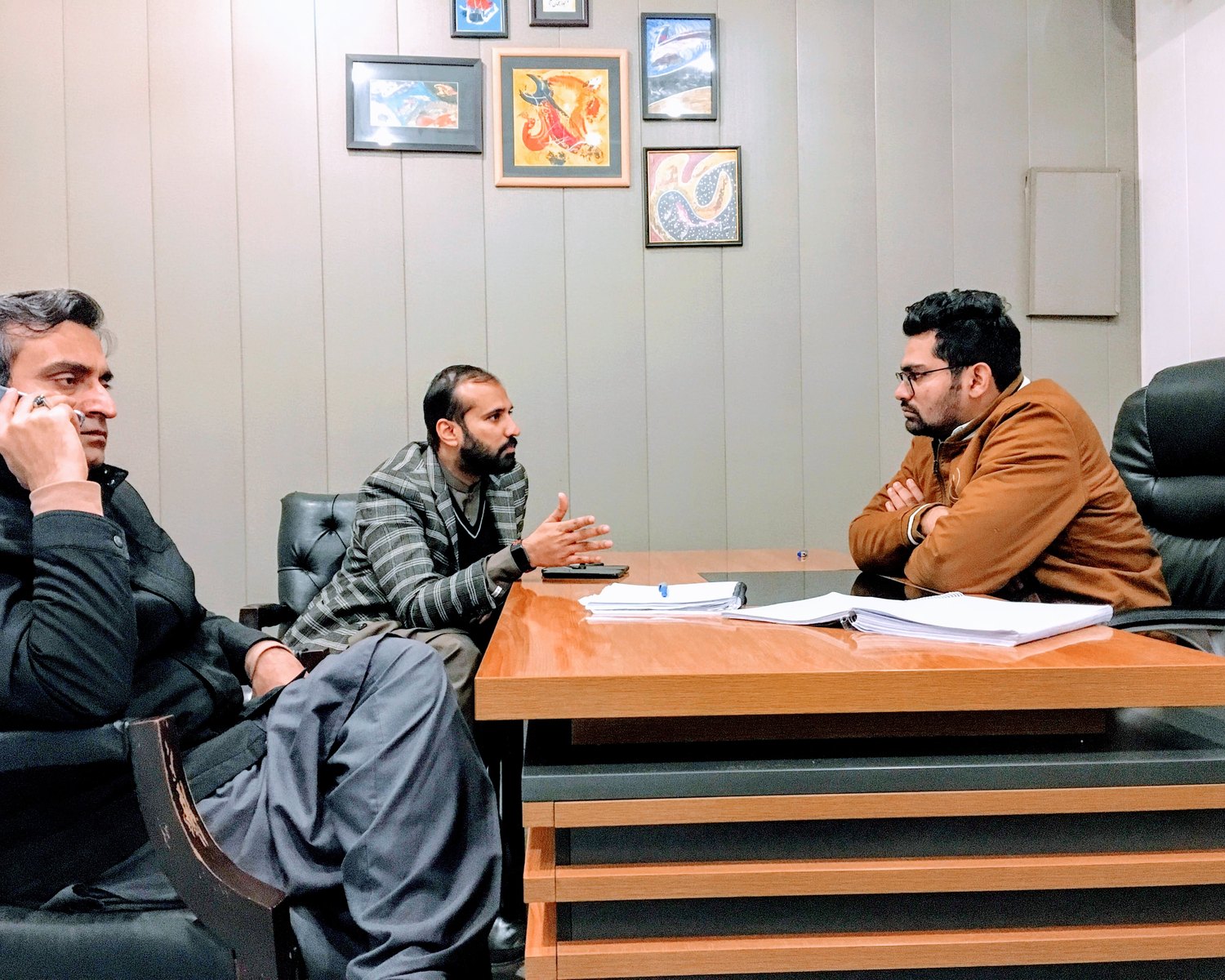
I started working with three different international clients, and ended up leading a combined team of seventy people across all of them.
Between the three of them I was managing more than fifty developers. At the peak, more than seventy people reported to me directly.
That stretch taught me the half of this job that has nothing to do with code. How to cost a project honestly. How to scope so a team can actually deliver. How to sit between a client's expectations and an engineer's reality and keep both of them whole.
It also showed me exactly where organisations leak time and margin, which is the thing I now get paid to find. You cannot spot an operational bottleneck from the outside. You spot it because you have been the person responsible for it.
You can be the best developer in the room and still sink the project.
70+people reporting to me at the peak
3clients run in parallel
07
AIoptimix · Now
Building AIoptimix
My own company, my American partner, and a trip to Dubai
Tanner, my AIoptimix partnerPakistan first, then Dubai togetherThe decisions that happen over a skyline, not a spreadsheet
Alongside everything else I started my own company, AIoptimix, with my American partner, Tanner. We took on freelance projects. Then AI arrived properly, and the whole thing took off.
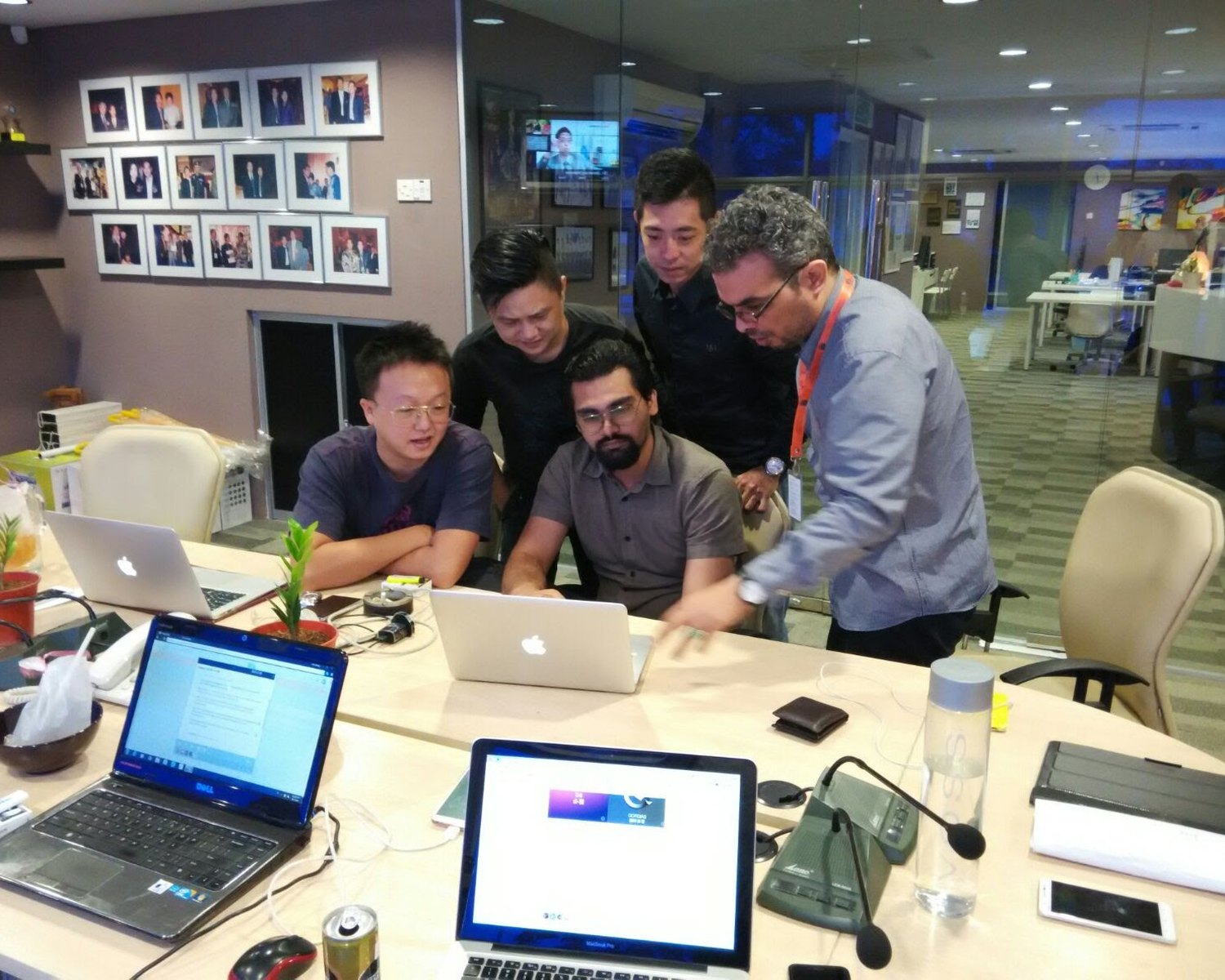
We built a group of around eighty alumni and developers. We ran a training programme across Pakistan, trained eighty highly skilled people, put laptops in their hands and gave them everything they needed to be genuinely good. Tanner, my American partner, and I handle the client relationships and the architecture, and the engineering happens here, which keeps the economics sane for everybody involved.
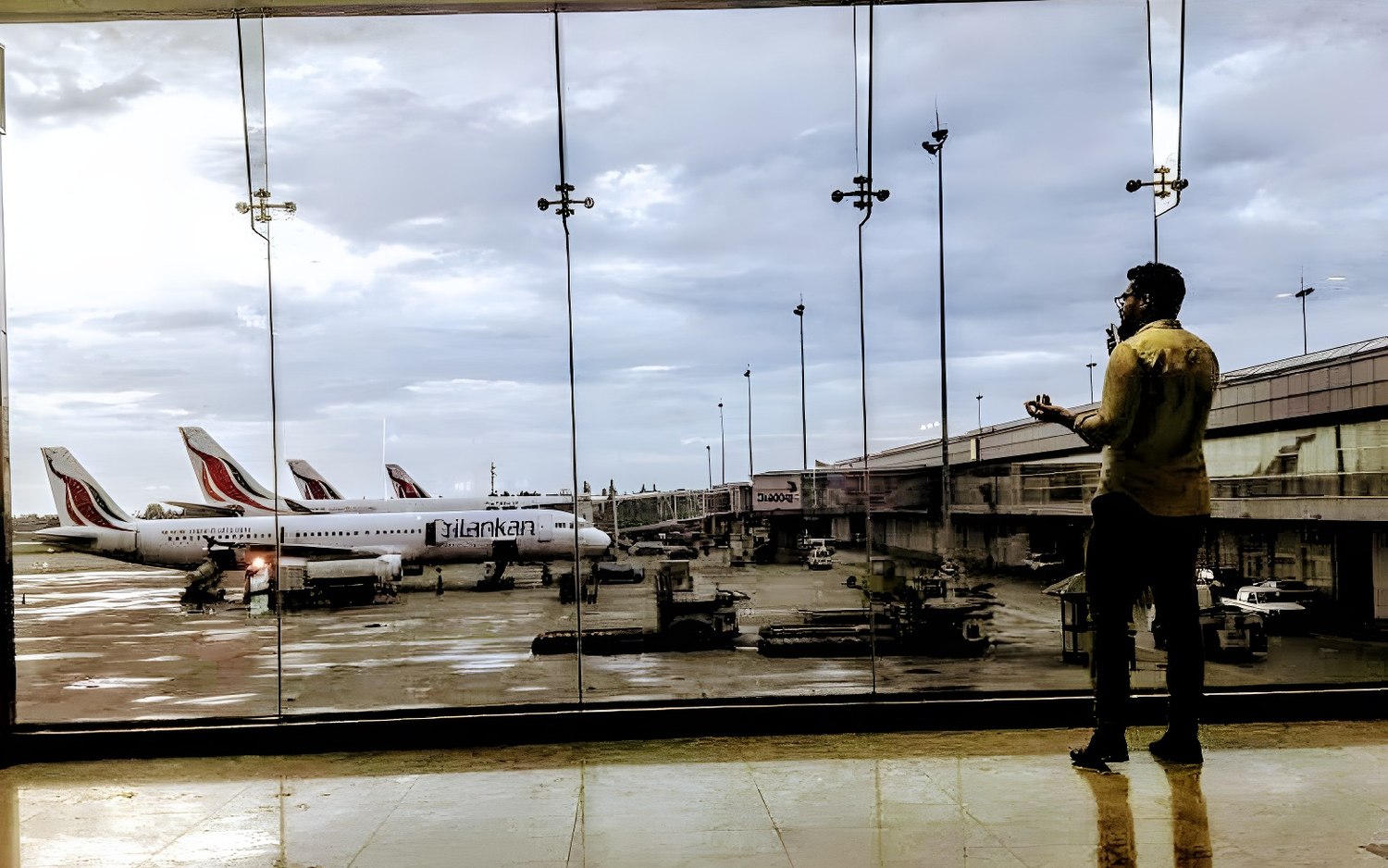
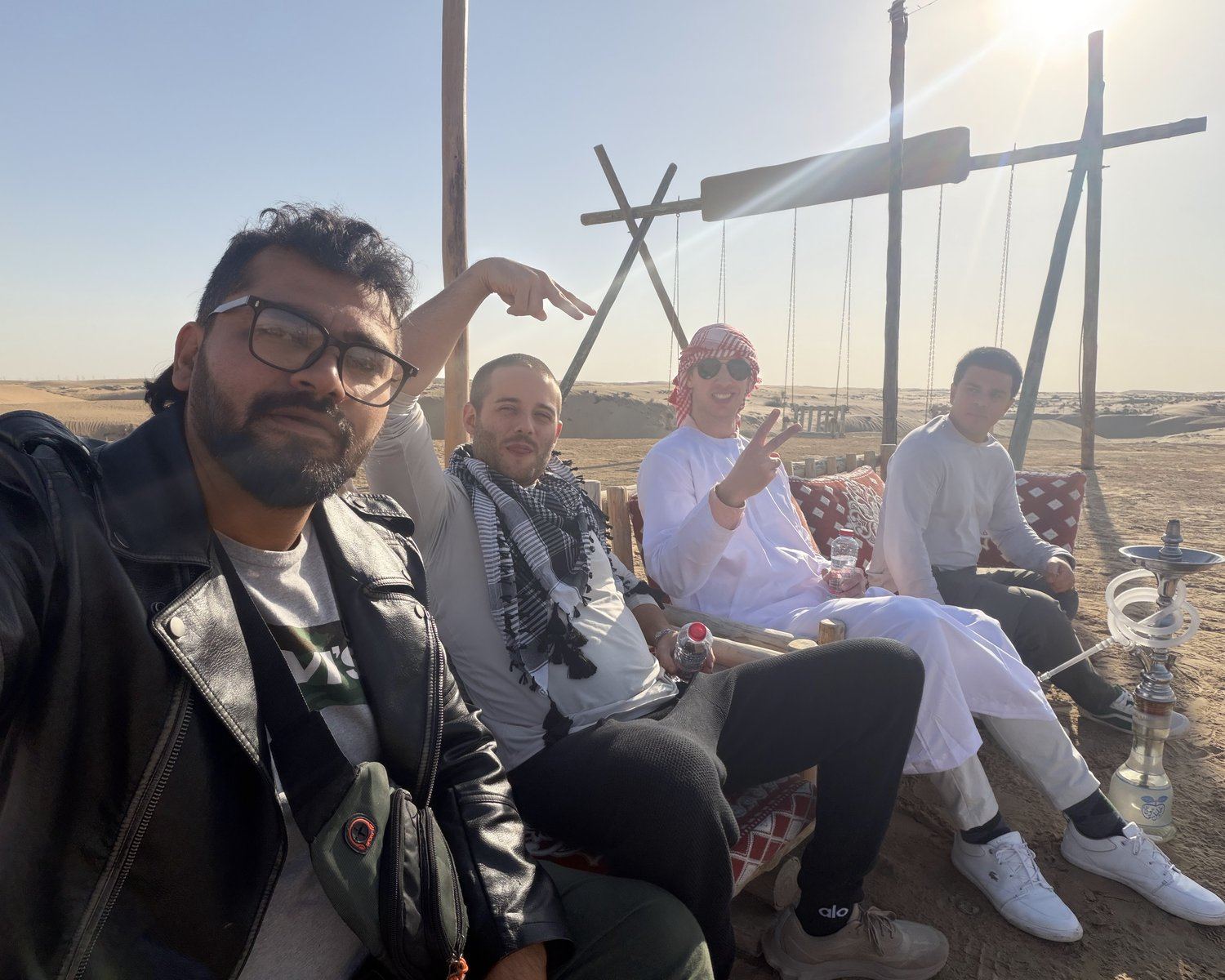
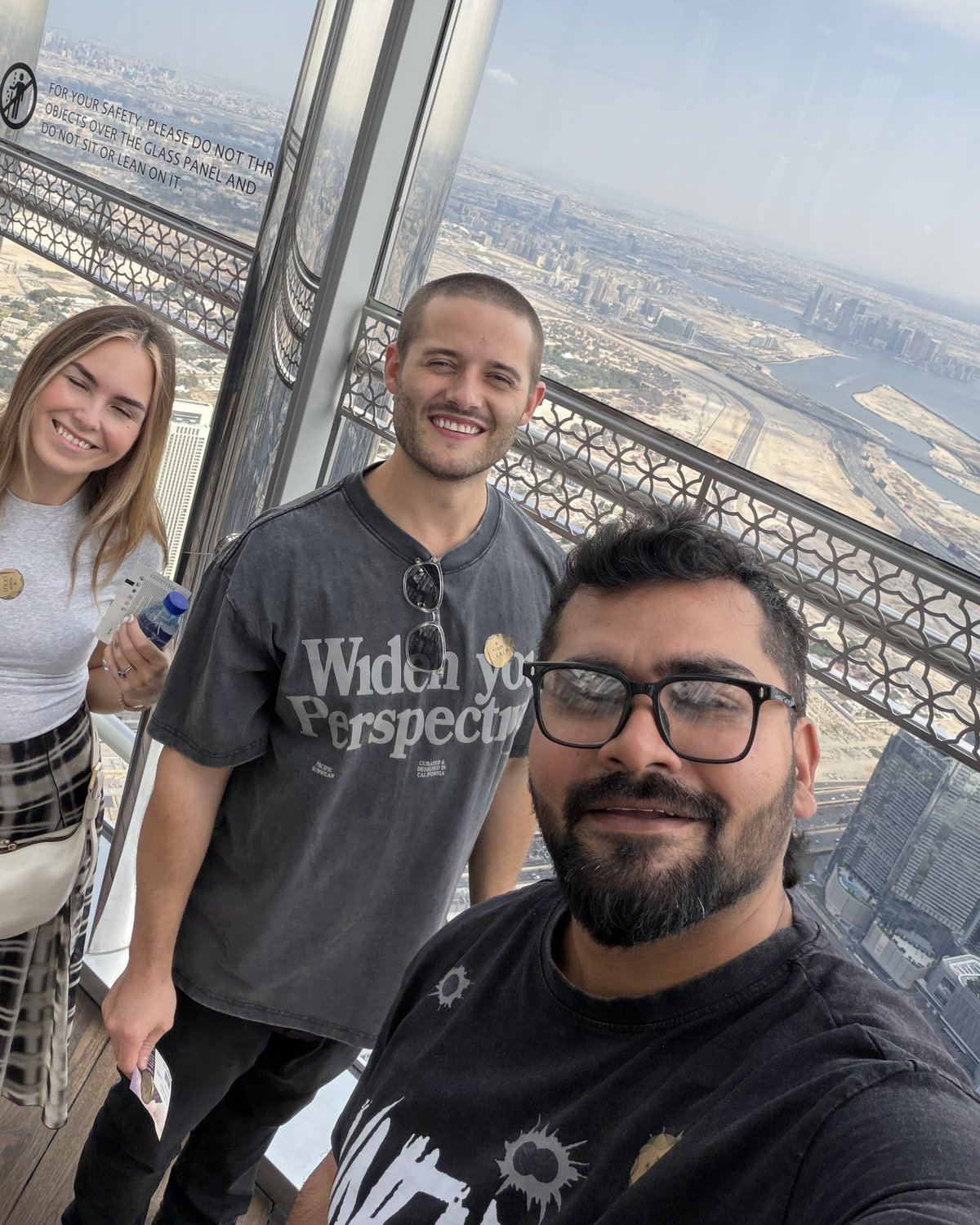
Tanner flew out to Pakistan to see the operation for himself, which most partners running things from another continent never bother to do. We worked out of the same office for a while, then flew to Dubai together afterward, which is where a lot of the bigger decisions about where this company goes actually got made, over a skyline instead of a spreadsheet.
My philosophy now is blunt: let AI do the repetitive work, and then let it do most of the rest too, because it can. I do not believe in doing things the slow way out of respect for tradition. I learned the slow way properly, which is exactly why I feel no guilt about leaving it behind.
80people trained across Pakistan
08
The plan · Three years left on the clock
Project 40
Retire at 40 was the plan. AI moved the finish line
Project 40 was never a metaphor. It has a real date attached to it, and for most of my adult life, getting there meant closing up shop and walking away.
I always had this plan to retire at 40. I hate the idea of working until seventy. I hate the thought of waking up to work purely because bills exist. I wanted to wake up and do something I actually love, whether that is playing something, learning something, making heavy metal, sitting on a farm, or restoring a 1988 BMW E30. I am three years out from that number now, and for a long time three years felt like a countdown to the exit.
Then AI rewrote the timeline. Work that used to take years takes months. Months take weeks. Building a product used to mean fifty or a hundred thousand dollars and a team of ten. Now me and three good developers can build something real and sell it.
So instead of counting down to retirement, I just build. I think I will be using these tools for the rest of my life and never retire at all, and honestly that sounds better than the original plan.
I was counting down to retirement. Now I am just building, and I do not want it to stop.
09
One video · The turning point
Going public by accident
I made a video for my nieces and 60,000 people watched it
Still #1, the search that started the LinkedIn presence
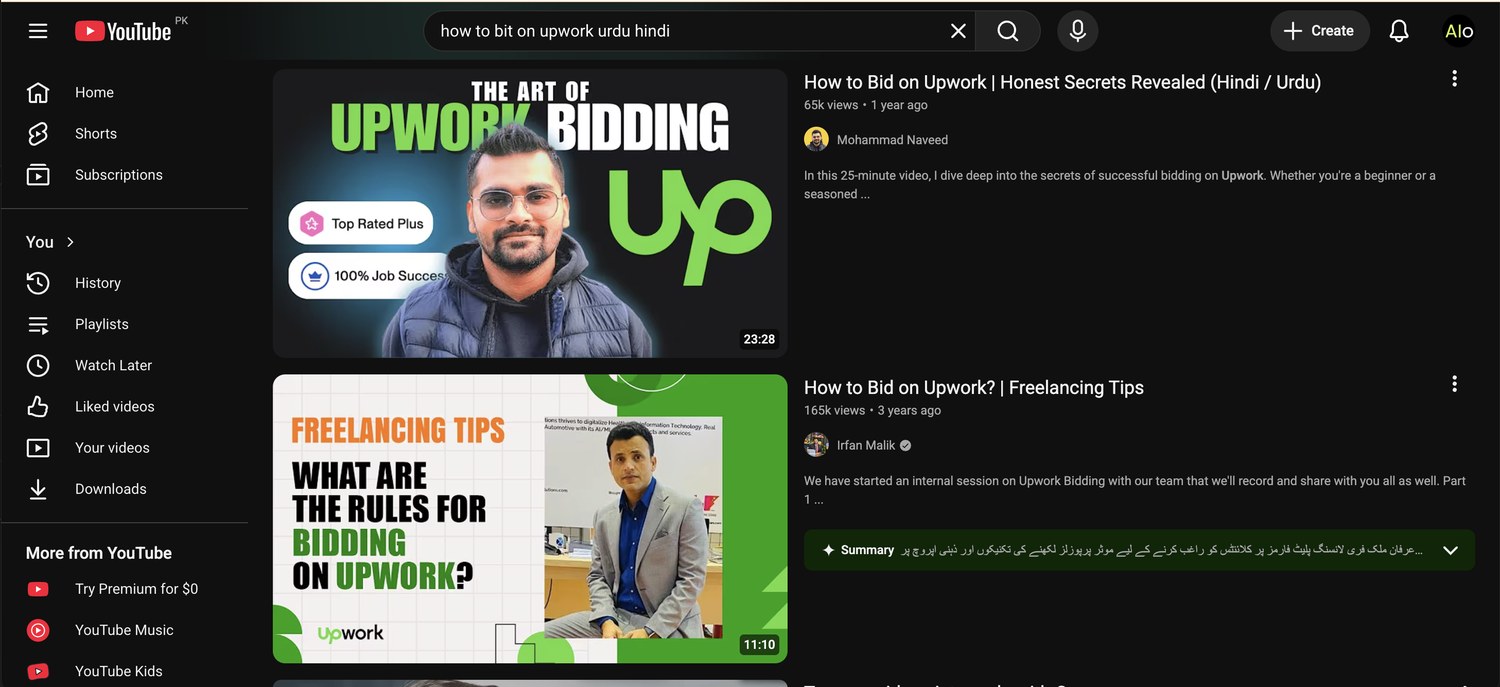
I was an introvert. I never built a network, never met the people in my own industry face to face. I was always shy of social media, no LinkedIn presence, no posting, none of it. Then one day I was teaching my nieces how to find work on Upwork, and I recorded it.
I uploaded it without thinking much about it. It hit sixty thousand views and ranked number one for how to bid on Upwork in Urdu and Hindi.
That number was not the point. What got me was what it meant: there are that many people out there actively looking for real skills, and they cannot find good places to learn them.
We have excellent institutes and plenty of people online telling you about careers and mindset. What we do not have enough of is places that teach the actual craft, the hands on skill that lets you finish the job properly. Success needs more than hard skills, I know that. But hard skills are the part that is missing.
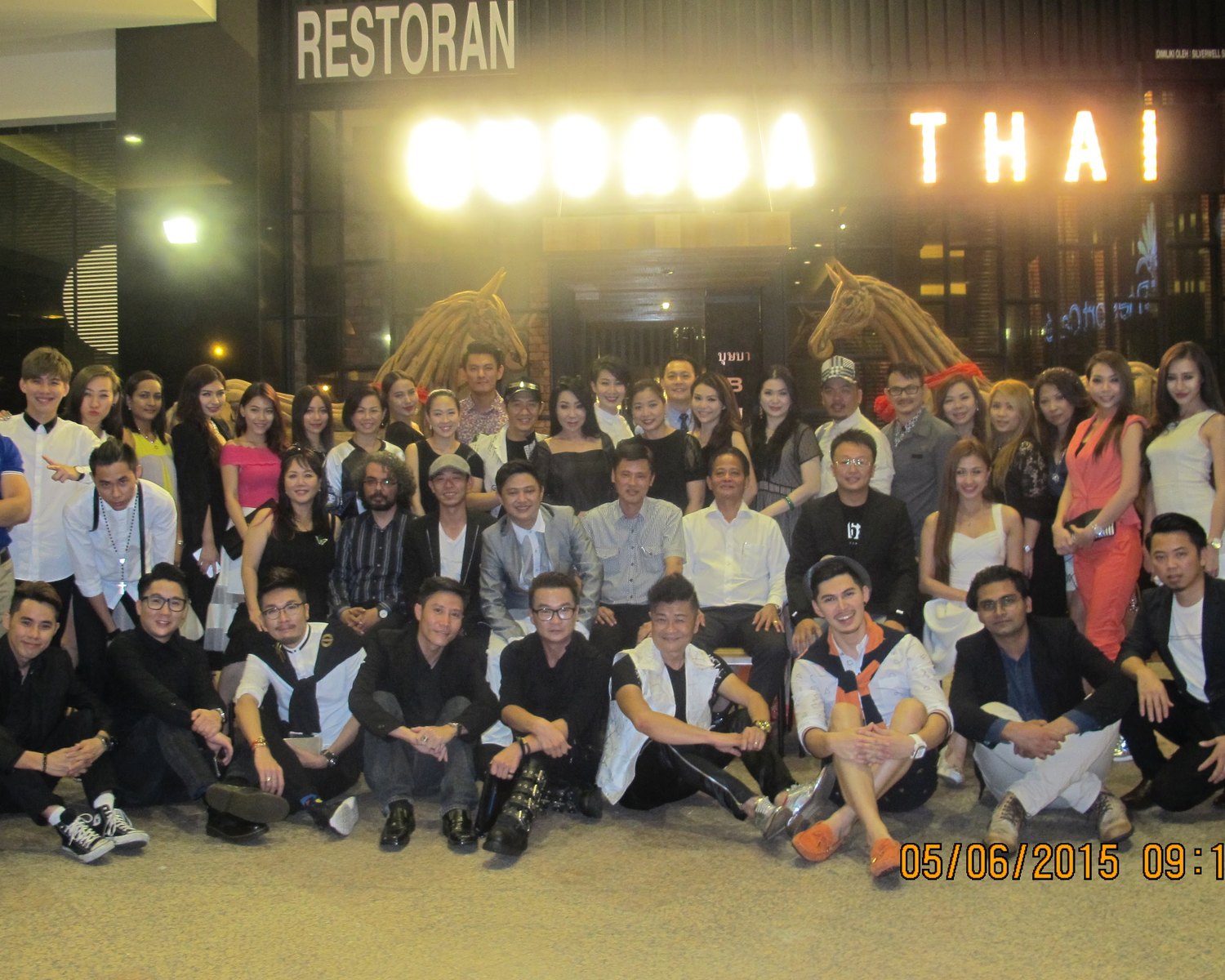
That video is where it actually started. I began interacting with people, meeting students, getting more comfortable being visible. Now I am visiting the top CEOs and the top people in tech in Pakistan, going to conferences, seminars, trips, gatherings, the exact things the old version of me would have avoided.
Sixty thousand people wanted to learn. That number changed my plans.
60Kviews on a video I almost did not upload
#1ranking for how to bid on Upwork in Urdu and Hindi
Off the clock
Metalhead, cricket tragic, permanent beginner
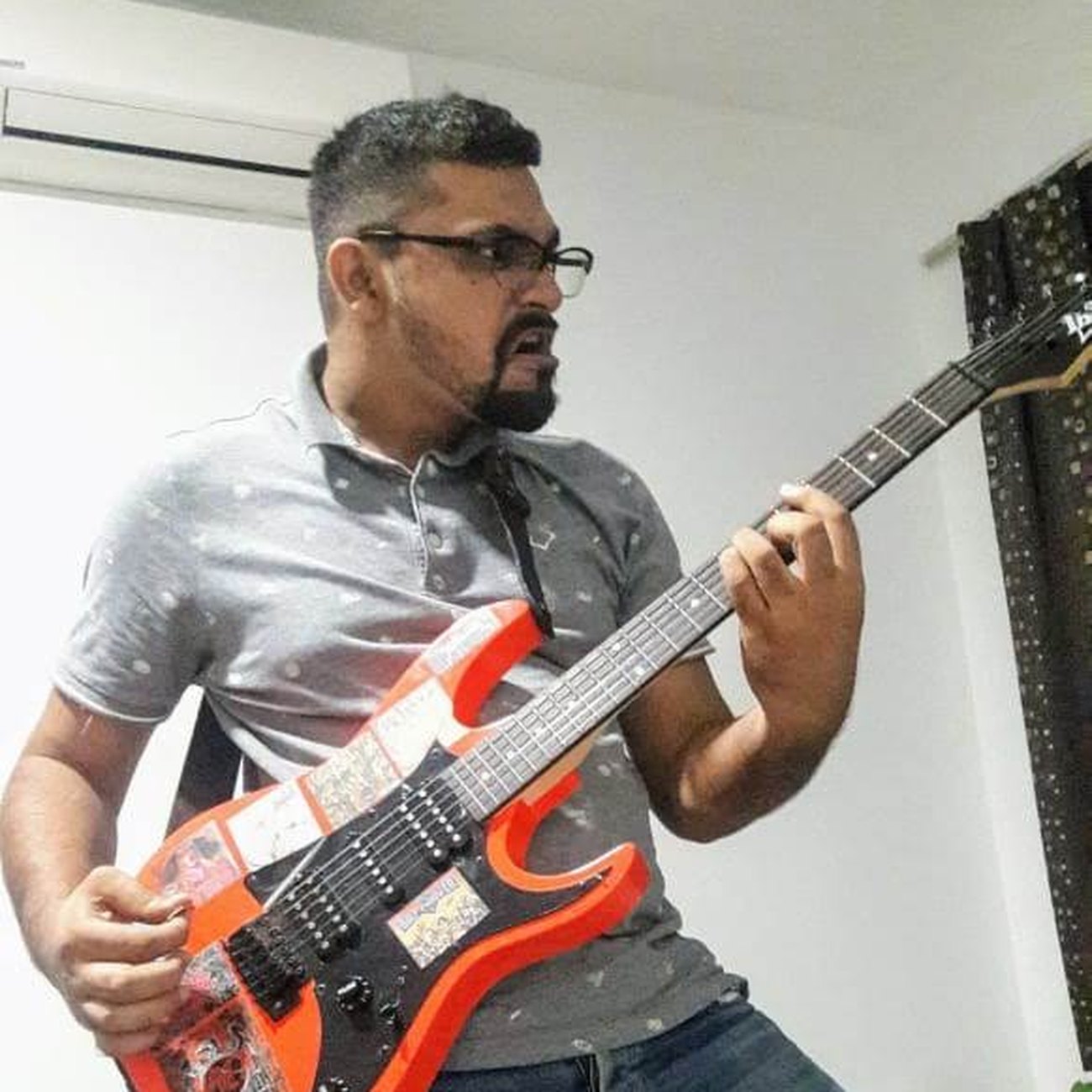
Music has always been close to me, and I am the kind of person who goes all the way into something once it has my attention.
GuitarDriftingProgrammingCricketFootballCollecting vinylTravellingCookingReadingHeavy metal
I think there are two kinds of people.
01
The ones who do one or two things in their life and do them so perfectly that they become Sachin Tendulkar, or Virat Kohli, or James Hetfield, or Elon Musk.
02
And the ones who do a lot of things, none of them perfectly, but all of them comfortably above average. Good, not the greatest, and with the time and energy left over to keep adding more.
I have always been the second kind, and I made peace with that a long time ago.
My actual dream is to live everybody's life and find out how it feels. Two months in a village. Six months driving an Uber. A season of just playing cricket. I want to collect as many different lives as one life can hold.
Cassettes and vinyl, the slow way to own music
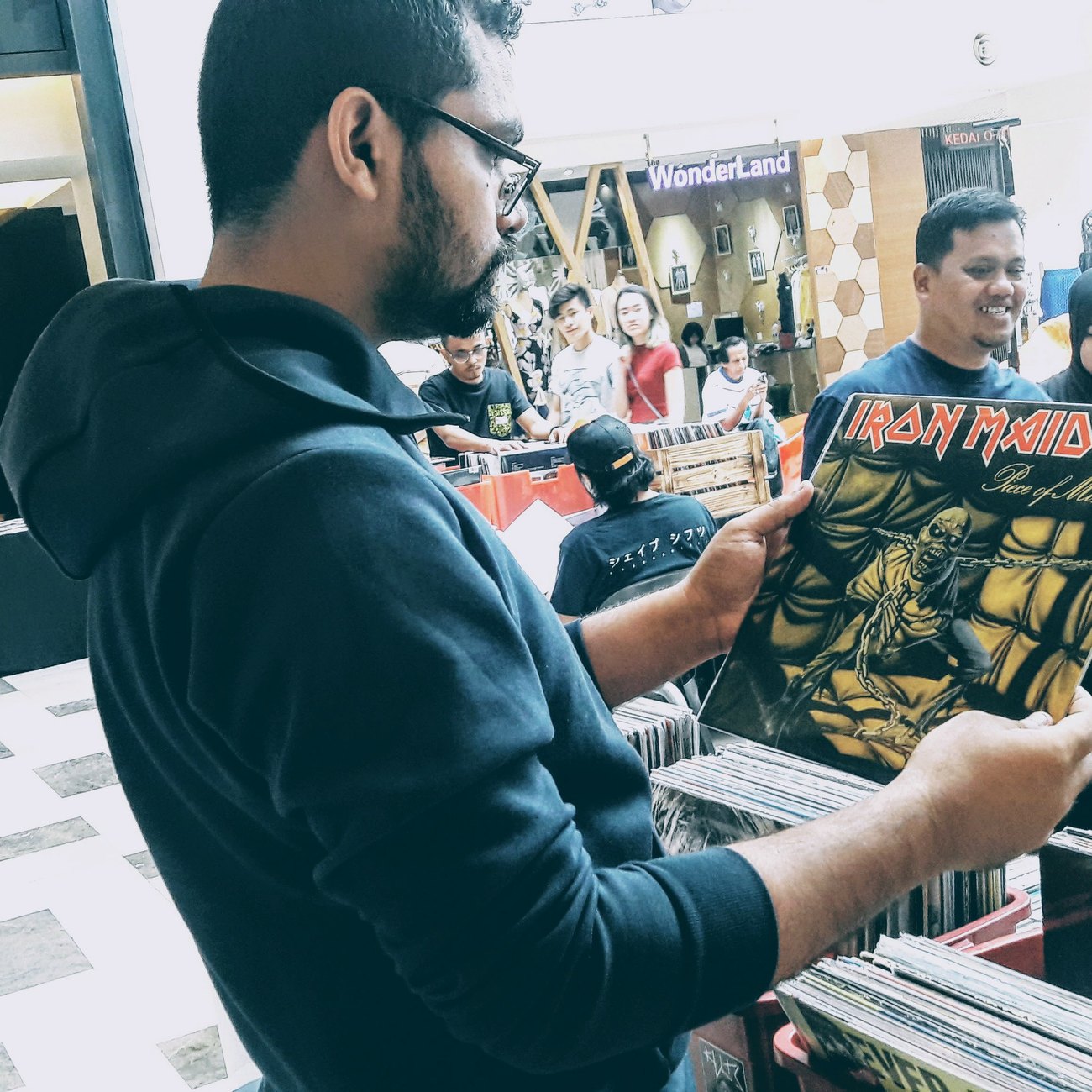
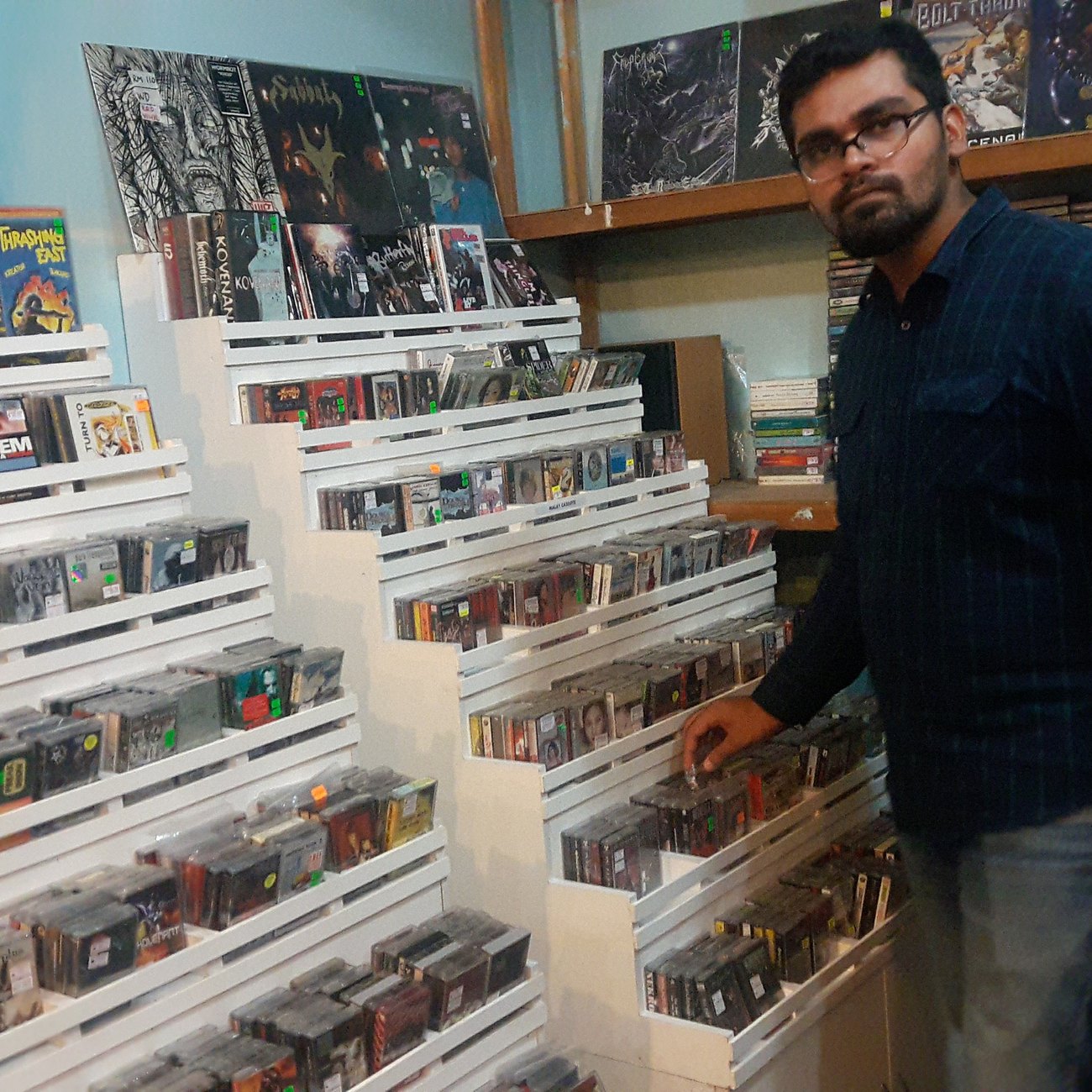
I collect cassettes and vinyl the way some people collect watches. I sometimes do the maths on what all of it cost and think about what that money could have done in the business instead. Then I think about it for another second and let it go. No regrets. It is what it is, and the collection is not going anywhere.
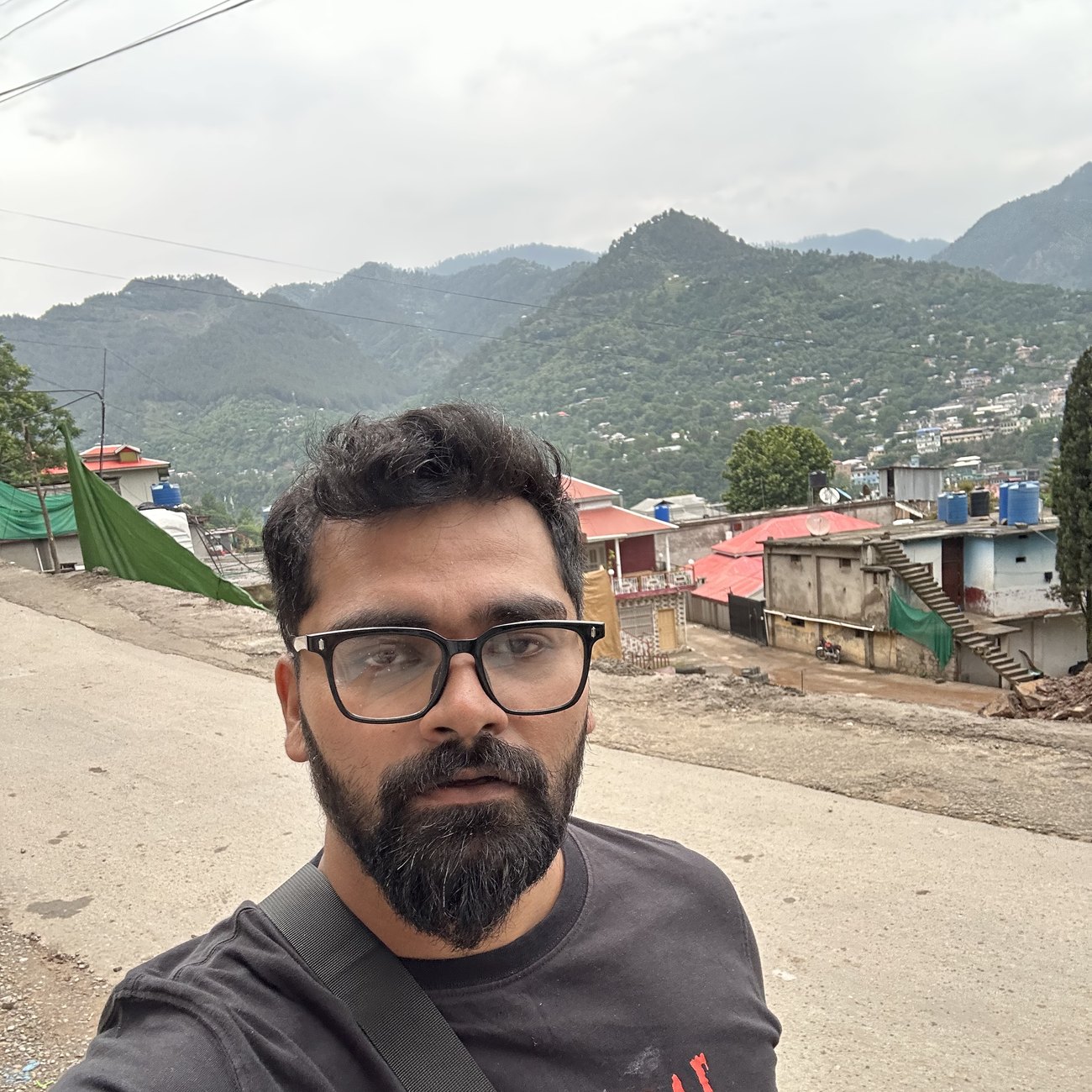
Kashmir
I actually did it for two years. The internet and the roads eventually sent me back, but I would do it again.
Lahore
Home, the team, the office, the noise I have grown to love.
Dubai
The other home. I live between these two now.
Every lesson here has someone else's name on it
I have met so many amazing people, and so many of them shaped who I am in ways I could not list here. These are a few whose words have practically helped me become better at work, the ones I remember most vividly.
My father
Father
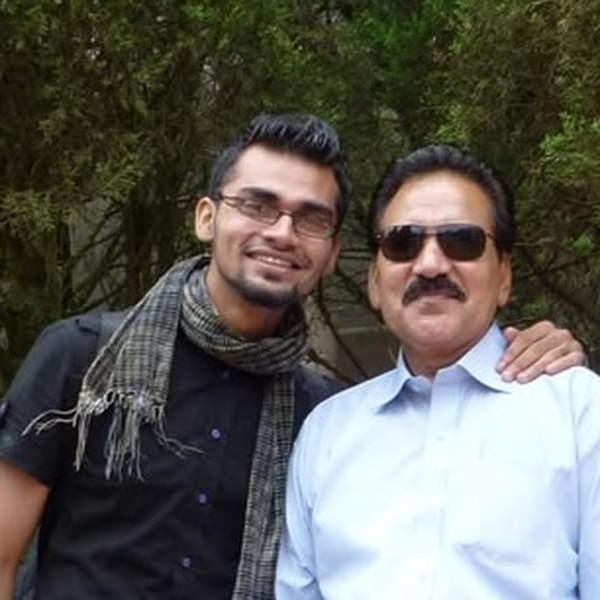
I have learned two things from my father. First, you don't have to be very cunning or street-smart to make money. I am just like him, I am not street-smart, I am not cunning, but if you just put all your effort in, wake up every single day without caring about your feelings, go to work, do extra work, come back and be good to your family, God is going to pour down money rain on you. Second, he always told me that rather than focusing on saving money, always think about how to make more. This advice is not easy to handle, but for some reason my brain has always worked towards making money, then saving it. I still don't know if that's the right approach or not.
My mother
Mother
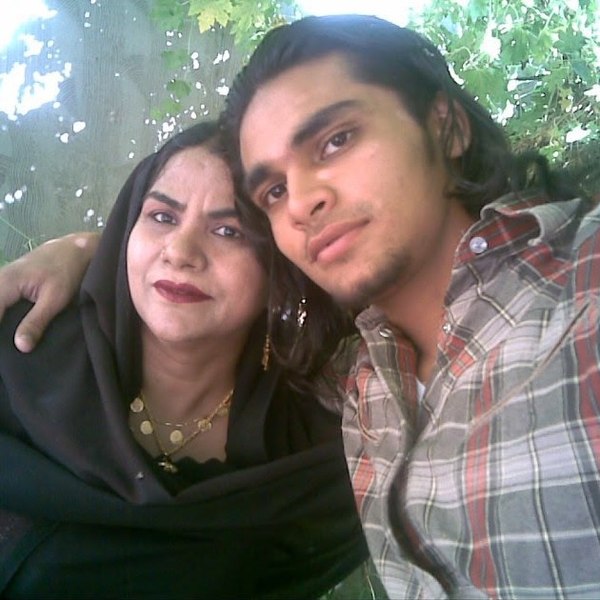
If I am to name one thing I learned from my mom, it is that she has an extreme level of intuition. Whenever she has told me something is bad about a person, a business, or a venture, it always turned out to be bad. What I've learned from her is that you should trust your intuition, and you should not let negative people stay in your life for long. If you sense that somebody is toxic, cut them early. She has always been the driving force behind my family, because when she says something, you better trust it. That's how strong her intuition is.
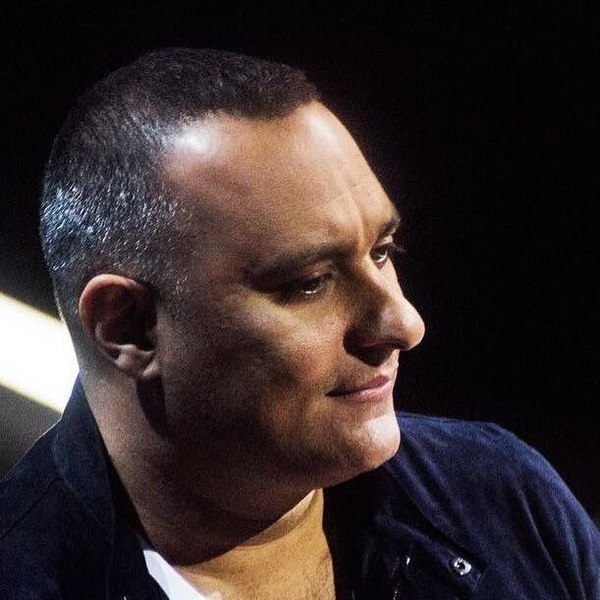
Russell Peters
Comedian
He inspired me that even when you don't look like anybody else, you can still break the barrier. He started his journey when there was no Indian comedian in the team, and his stand-up comedy just helped me pass my darkest years during the Libyan war.
He just inspires me musically so much. He is a self-taught guitarist who did not go through formal music study, and yet he is one of the best heavy metal rhythm guitarists. He taught me that you can learn by yourself if you just go all in, stay fully focused, and find your path.
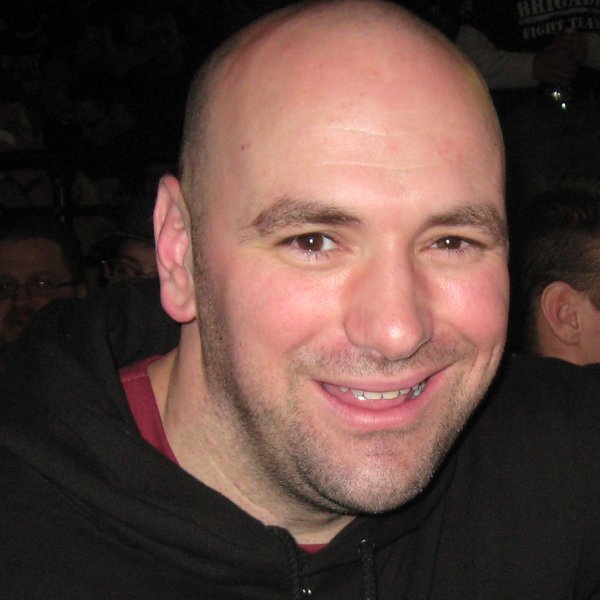
Dana White inspires me because if you love something so much, it doesn't even feel like work anymore. That guy loves fighting and the fighting game, and he made what the UFC is right now. It's just because he loves it so much that it doesn't even feel like fatigue or work for him, and that you don't need motivation for work, just get to work and get it done.
Mentor, Vice Chancellor at my university in Malaysia
My Libyan American mentor, who took this broken guy from the Libyan war and turned him into a resilient human being, and showed him what being compassionate means. He is also the Vice Chancellor at my university, and he recognized that I'm a very sharp student, but all I needed was a purpose in life after losing everything to the war. He gave me the chance to practice my programming skills while I was still in university, and that helped me a lot. That is why, when I graduated, I was already an amazing programmer.
TT
Tanner Tattini
My AIoptimix partner
He's my partner and my employer as well. He taught me how to work 100 hours a week without even feeling like you are overworking, and how to manage your tasks and your finances. Before meeting him, I would spend like crazy because I have an unhealthy obsession with spending, and I would not manage my finances or my task list. He taught me how to keep everything organized, automate everything, and actually count every single dollar you make, and how to be resilient in taking what's yours. If you are gonna work, you better get paid for it one way or another, there is nothing free. Before joining him eight years ago and after joining him, I've become two different people at work.
IM
Irfan Malik
Entrepreneur and content creator
I have only met him recently, a few months ago. What inspired me about him is that he is a social media personality and one of Pakistan's top CEOs, but he's probably the only person who is the same off camera as on camera. I've met tens of people who are different on camera and way different off camera. Secondly, what I learned from him is that you should take everything seriously and personally. Everything is personal. If he doesn't perform well in a cricket session, he gets angry, goes back home, doesn't sleep well because he's pissed and self-analyzing why he didn't perform, and then he comes back the next day and destroys everyone. He told me it's the same thing if a client is not satisfied. He takes it personally, gets angry, and comes back stronger than ever. What I've learned recently from him is that if you lose a match or lose a client and you go back and sleep peacefully, that means there's something wrong with you.
The measure that counts
If my kids can say I was a good father, that is success. That is the whole measure of a man.
Dana White, on what he wanted to be remembered for
I am paraphrasing, because I heard it once and it stuck. I did not understand it at the time. I understand it completely now, and it is the thing I actually measure myself against.